
People love to argue about cheese. One kind is praised, and another gets blamed. That thinking is outdated. Modern nutrition no longer categorizes foods into neat "good" or "bad" boxes. Cheese is a food matrix. That means its nutrients work together, not alone. Calcium, protein, fat, and vitamins interact in ways that matter more than numbers on a label.
Your body also matters, and your habits matter more. Sleep, movement, stress, and the rest of your diet carry more weight than whether you choose Cheddar or Brie. The best cheese for your health is usually the one you enjoy, eat slowly, and keep in check.
Cheddar, Stilton & Brie
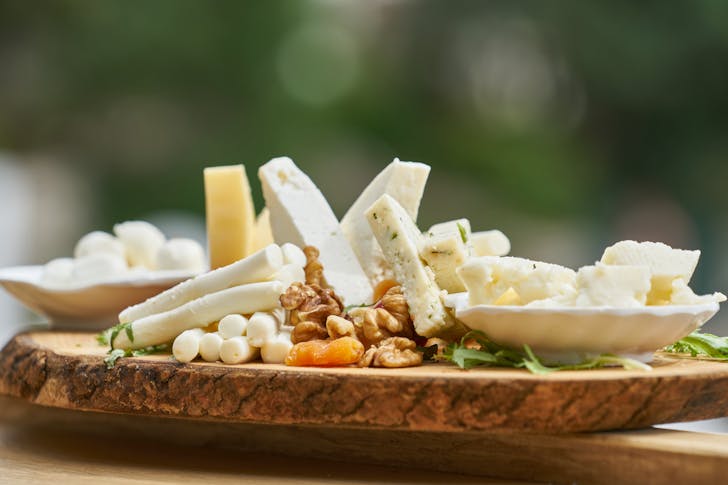
Engin / Pexels / Cheddar is dense and serious. Aged Cheddar packs protein and calcium into a small bite.
That helps bones stay strong, and muscles repair faster. It also contains vitamin K2, which helps move calcium into bones instead of arteries. Some long-term studies even link full-fat cheese, such as Cheddar, with a lower risk of dementia later in life.
The downside is concentration. Hard cheese means more saturated fat and more salt per gram. That does not make it dangerous. It just means portion size matters.
Stilton is bold and funky for a reason. Blue cheeses rely on special molds and bacteria during fermentation. Those microbes may support gut health, which connects to digestion, immunity, and even mood. Stilton also delivers solid calcium for bones and teeth.
However, blue cheese contains spermidine, a compound being studied for its potential benefits to heart health and healthy aging. The flavor is intense, so people tend to eat less without trying. That natural brake can help keep calories and salt in check.
Brie is softer and gentler. Because it holds more moisture, it has slightly fewer nutrients per gram than hard cheeses. Still, it offers protein, calcium, and B vitamins that support energy and brain function. It is far from empty food.
The mold used in Brie produces compounds like oleamide. Early research in animals links these compounds to better sleep and memory. Soft cheese fermentation also creates peptides that may help steady blood sugar after meals.
What You Should Consider?
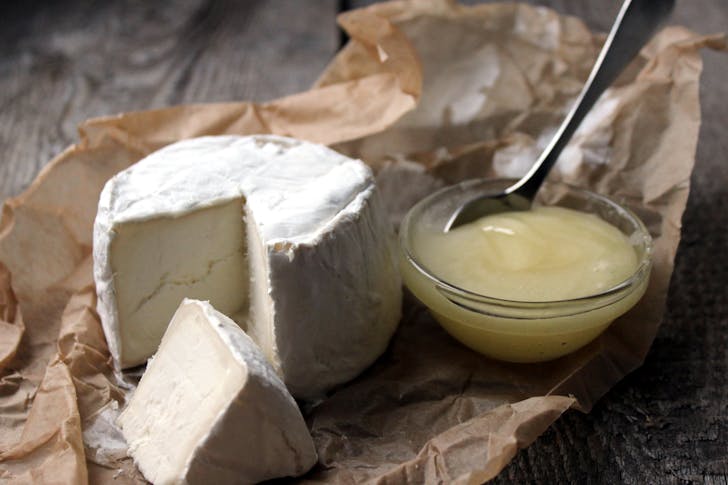
Irita / Pexels / Fat still scares people. For years, saturated fat was painted as the villain. Newer research tells a calmer story. Cheese fat behaves differently from butter fat.
The structure of cheese slows digestion and changes how fats affect cholesterol. For most people, moderate cheese intake appears to be neutral or slightly protective for heart health.
Salt deserves more attention than fat. Cheese can be salty, especially aged and blue types. Excessive sodium intake can lead to elevated blood pressure over time. Cheddar and Stilton usually contain more salt than Brie. If blood pressure runs high, softer cheese or smaller portions make sense.
Portion size is the quiet hero. Nutrition guidelines often suggest about 30 grams a day. That is roughly a small matchbox. Not a wedge. Not half the wheel. That amount delivers benefits without excess calories or salt. Eat cheese as a feature, not the whole show.
So, Which Cheese Type Is the Best?
Every type of cheese has its own benefits and drawbacks. Cheddar shines for its protein and bone-strengthening properties. Stilton stands out for its benefits to gut health and unique aging compounds. Brie offers softer digestion and bioactive benefits you do not get from hard cheese.
Health does not come from picking the “best” cheese. It comes from enjoying food without fear and stopping before excess. If Cheddar makes you happy, eat Cheddar. If Brie fits your plate better, enjoy it slowly. Cheese works best when it is part of a bigger picture, not the whole frame.
In the end, the healthiest cheese is the one you love enough to eat in moderation.