
The conversation around weight loss drugs just took a sharp turn. After years of questions and side eye from critics, the science finally spoke loud and clear. The U.S. regulator in charge of drug safety says the suicide warnings on some of the most talked-about weight loss meds no longer belong there.
This matters because these drugs are everywhere. Doctors prescribe them daily. Patients rely on them. Fear-based labels change how people feel about treatment, even when the fear is not backed by facts.
The FDA Makes a Clean Call

Freepik / After a deep review of the data, the U.S. Food and Drug Administration asked drugmakers to remove suicide related warnings from several popular weight loss medications.
The agency says the evidence does not show a higher risk of suicidal thoughts or behavior tied to these drugs.
The request went out on January 13, 2026, and it targets labels used for weight management versions of GLP 1 drugs. The companies involved are Novo Nordisk and Eli Lilly, two giants in the obesity drug space.
The affected medications include Saxenda, Wegovy, and Zepbound. These names are familiar to anyone following weight loss trends or managing obesity with medical help. For patients, this decision removes a warning that often raises anxiety during an already sensitive health journey.
What the Data Actually Shows?
The FDA did not make this call lightly. Its review pulled together results from 91 placebo-controlled clinical trials. These trials followed 107,910 patients, which is not a small sample. Some took GLP-1 receptor agonists, others took a placebo.
The outcome was clear. Patients using these drugs did not show a higher rate of suicidal thoughts, suicide related behavior, or other mental health issues like anxiety or depression. The numbers tracked closely with the placebo group. That is the kind of result regulators want to see.
The agency also looked beyond trials. It used its Sentinel System to analyze real-world data from more than two million patients between 2015 and 2023. It compared new users of GLP-1 drugs with users of a different diabetes drug class. After adjusting for health history and risk factors, there was still no increase in self-harm risk.
Why the Warning Was There to Begin With?
So, why did these warnings exist at all? The answer sits in the past. Older weight loss drugs, not related to GLP-1s, had reports tied to mood changes and self-harm. When weight loss versions of GLP-1 drugs hit the market, regulators took a cautious path.
That caution led to suicide warnings on weight loss labels, even though diabetes versions of the same drugs never carried them. This created confusion. A drug used for blood sugar control had no warning, but the same drug for weight loss did.
With this update, the FDA is fixing that mismatch. Drugs like Ozempic and Mounjaro, which are approved for type 2 diabetes, already lack suicide warnings. Removing the label language from Wegovy and Zepbound brings consistency across the board.
How These Drugs Work in the Body?
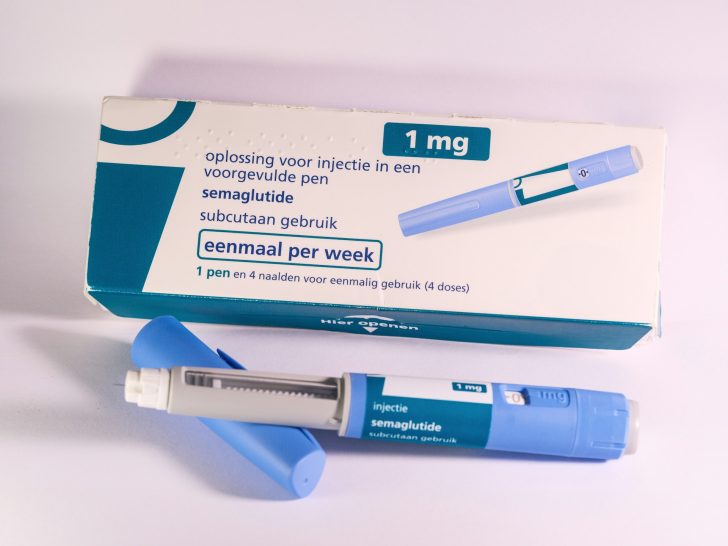
Haber / Unsplash / GLP-1 receptor agonists are not mystery meds. They copy a natural hormone in the gut that helps control blood sugar and appetite.
Plus, they also act on parts of the brain that signal fullness, which helps people eat less without feeling constant hunger.
The first GLP-1 drug earned approval back in 2005 for diabetes care. Over time, researchers noticed steady weight loss as a side effect. That discovery opened the door to obesity treatment, backed by years of safety data.
If you take Saxenda, Wegovy, or Zepbound, the FDA says do not stop your medication because of this news. Keep following your doctor’s plan. This update does not change how the drugs are used, only how they are labeled.
For anyone in crisis, help is available right away. In the U.S., the 988 Suicide and Crisis Lifeline offers free support by call or text, 24 hours a day.