
Kanye West, now known as Ye, has talked about his mental health more than most global stars ever dare to. The 48-year-old rapper has done it loudly, awkwardly, and sometimes painfully. For nearly a decade, he has let the public watch him wrestle with bipolar disorder type one, denial, fame, and the fallout that followed.
However, his story does not move in a straight line. It swings between insight and confusion, clarity and chaos. Albums, interviews, and open letters show a man trying to explain his own mind while living inside it. What he has shared offers rare access, but it also raises hard questions about accountability, illness, and damage left behind.
The Diagnosis That Changed Everything
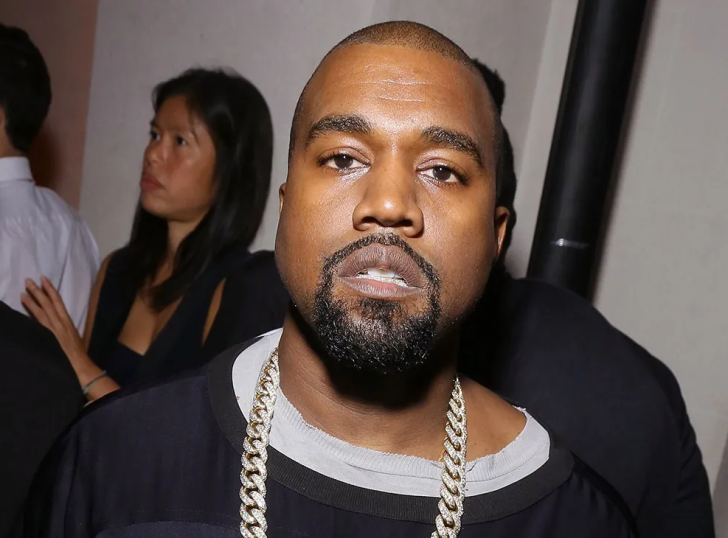
Jared / IG / Kanye first made his diagnosis impossible to ignore in 2018. The cover of his album "Ye" reads, “I hate being Bi-Polar, it’s awesome.”
That sentence felt reckless to some people, but it was honest to him. He had been diagnosed two years earlier after a psychiatric emergency that led to hospitalization.
In interviews around that time, he pushed back against how people framed his condition. He called bipolar disorder a superpower, not a disability. On David Letterman’s Netflix show, he compared mental illness to a physical injury, saying it was like a sprained brain.
That framing helped some fans feel seen. It also frustrated others who felt he was minimizing the danger of untreated mania. Kanye seemed caught between pride and fear. He wanted control over the story, even while admitting the story scared him.
Inside the Rapper’s Manic Episodes
When Kanye describes mania, he does not soften it. He has said that during these periods, his thoughts race and his behavior changes fast. The rapper told Letterman that he becomes almost adolescent in how he speaks and reacts. He loses filters and volume control at the same time.
Paranoia plays a big role in these episodes. Kanye has said that when mania ramps up, he feels like everyone around him is acting. He believes conversations are staged and that systems are working against him. He has described feeling monitored and recorded, even by the government.
Those beliefs sound extreme, but they felt real to him in the moment. He has also spoken about how traumatic hospitalization was for him. Being restrained, medicated, and cut off from loved ones left deep scars. That experience fed his fear of treatment for years afterward.
The Crisis That Forced a Reckoning
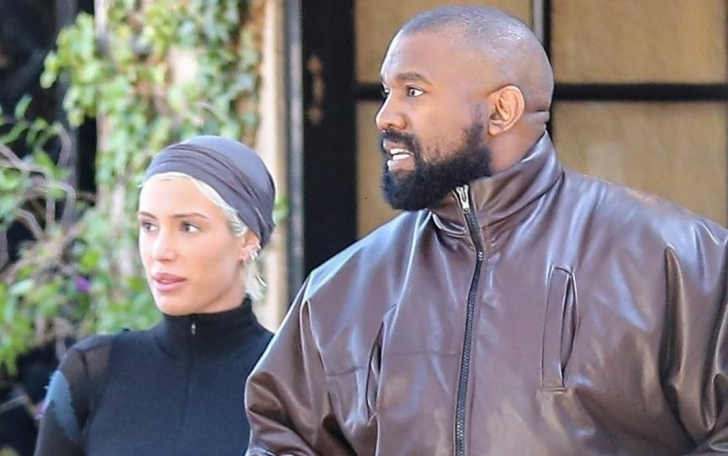
Jared / IG / In January 2026, Kanye released a full-page open letter in The Wall Street Journal. He wrote that he had gone through a four-month manic episode in early 2025 that “destroyed” his life.
The "Can't Tell Me Nothing" rapper described that period as psychotic, paranoid, and impulsive. He admitted that he reached a point where he no longer wanted to exist, without giving graphic details. He took responsibility for the public harm he caused during that time, including antisemitic statements and praise of Adolf Hitler.
Kanye said those actions came from a fractured mental state, not his core beliefs. He clearly stated that he is not a Nazi or an antisemite. He apologized directly to Jewish and Black communities. It was the first time his remorse sounded less defensive and more grounded.
In that same letter, Kanye connected his illness to a car accident from early in his career. He claimed the crash caused damage to his right frontal lobe. According to him, that injury went undiagnosed for years and contributed to his bipolar disorder.