
Weight-loss drugs have changed the way doctors treat obesity and type 2 diabetes. Medications like Ozempic, Wegovy, and Mounjaro are now household names. They promise steady weight loss and better blood sugar control. For many people, they deliver.
But new research raises a serious question. Can these drugs trigger pancreatitis, a painful and sometimes deadly inflammation of the pancreas? A recent wave of studies and safety reports says the risk is rare, but real. That matters when millions of people are taking these medications.
The concern centers on a class of drugs called GLP-1 receptor agonists. This group includes Ozempic and Wegovy, which contain semaglutide, and Mounjaro, which contains tirzepatide. These drugs mimic a natural hormone that helps control appetite and blood sugar. They slow digestion, reduce hunger, and improve insulin release.
The short answer is clear. A rare but serious risk of pancreatitis has been identified. Clinical trials, real-world studies, and regulatory reviews all confirm that cases have occurred, including severe and fatal outcomes. The average person faces a very low risk, but it is not zero.
What the Evidence Shows
Birk / Unsplash / Large clinical trials first tested these drugs for safety. The STEP program for semaglutide, published in the New England Journal of Medicine, found that pancreatitis cases were uncommon.
Rates hovered around 0.2 cases per 100 patient years, which was similar to placebo groups, the trial found.
These trials were carefully controlled, but they were not massive enough to catch very rare side effects. When a complication happens once in thousands of patients, it can slip under the radar.
A 2023 study in JAMA looked at people using GLP-1 drugs for weight loss and compared them with patients taking bupropion and naltrexone. The researchers found that GLP-1 users had a much higher relative risk of pancreatitis, with an adjusted hazard ratio of 9.09. The absolute number of cases was still small, but the difference was statistically significant.
Regulators have also flagged the issue. The UK Medicines and Healthcare Products Regulatory Agency has strengthened warnings on GLP-1 receptor agonists and dual GIP/GLP-1 drugs like tirzepatide. Between 2007 and October 2025, the agency received 1,296 reports of pancreatitis linked to these medications. That total included 19 fatal cases and 24 cases of necrotising pancreatitis, a severe and life-threatening form.
To put that in perspective, around 25.4 million packs of these drugs were dispensed in the UK during the same period. The numbers show that severe cases are rare. Still, when deaths are involved, even a rare signal deserves attention.
Real World Cases and Possible Causes
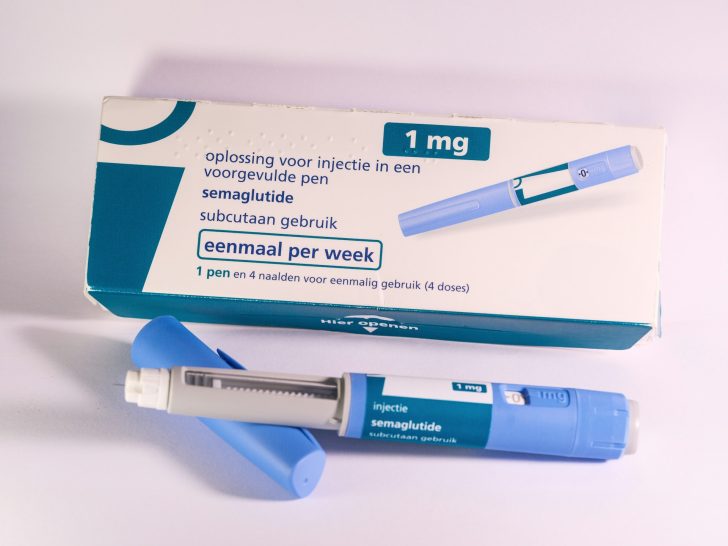
Haber / Unsplash / Beyond statistics, doctors have published case reports that show a clear pattern. In one report, a 93-year-old man with type 2 diabetes developed acute pancreatitis soon after starting semaglutide.
His symptoms improved after the drug was stopped. Using a standard tool called the Naranjo scale, doctors rated semaglutide as a probable cause.
Another case involved a 67-year-old man who arrived at the hospital with intense abdominal pain that spread to his back. He also had nausea and vomiting. Blood tests showed very high lipase levels, and a CT scan confirmed pancreatitis. Doctors ruled out gallstones and alcohol use. His recent start on semaglutide stood out as the likely trigger, and he was told to stop the drug.
Scientists are still working out why this happens. One leading theory focuses on how GLP-1 drugs affect the pancreas itself. These medications activate GLP-1 receptors in pancreatic tissue. Some researchers believe that overstimulation may cause inflammation or block small ducts, which can lead to pancreatitis in rare cases.
It is important to note that pancreatitis has many causes. Gallstones are a major one. Heavy alcohol use is another. Very high triglyceride levels can also inflame the pancreas. That makes it tricky to prove that a drug alone caused the problem.