
Robbie Williams is one of the biggest names in British pop. He has sold millions of albums, played to packed stadiums, and built a reputation on boldness and charm. But behind the swagger, Robbie’s latest interview shows a different side. One that is raw, honest, and deeply human.
Recently, Robbie Williams, 51, spoke on the podcast "I’m ADHD! No You’re Not". What he shared was striking. He talked about something he calls “inside Tourette’s.” It is his way of describing constant, intrusive thoughts that mess with his head, especially before shows.
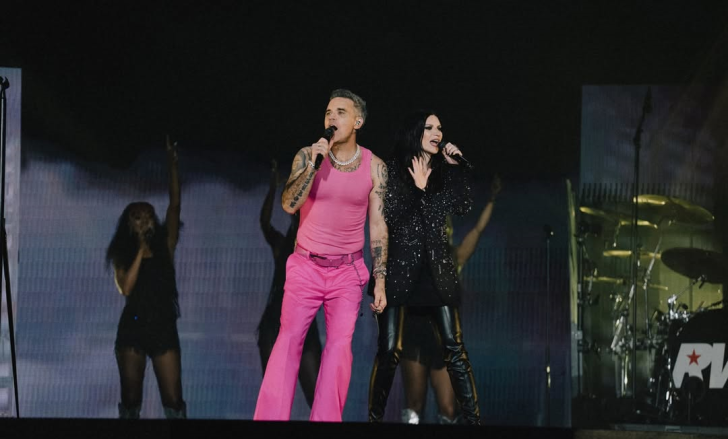
Williams / IG / On the “I’m ADHD! No You’re Not!” podcast, Robbie explained that although he doesn’t have visible tics like many people with Tourette syndrome, he experiences something similar on the inside.
His thoughts jump out at him like hecklers in his own brain. “I have Tourette’s, but they don’t come out,” he said. These thoughts interrupt his peace and spark anxiety, especially when he is under pressure.
Tourette syndrome is a real neurological condition that causes involuntary movements or sounds. Stress, tiredness, or strong emotions can make it worse. It is like noise in his head that he can’t turn off. While not a clinical term, “inside Tourette’s” gives a name to what he feels, and naming it helps him talk about it.
The Heavy Toll of Performing
For most of us, Robbie Williams looks completely at home on stage. He struts, he jokes, he commands massive crowds. But, as he admitted, that performance is only part of the truth. “I will look full of bravado,” he said, “but actually what is happening is I feel like the opposite of that all the time, most of the time.”
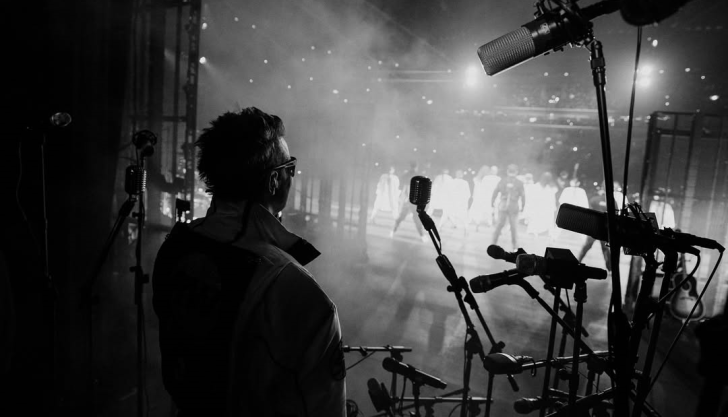
Williams / IG / Robbie called himself an “Olympian at masking.” That means he has gotten incredibly good at pretending he is fine, even when he is not.
For years, fans saw the high-energy star who delivered hits like "Rock DJ" and "Let Me Entertain You", but offstage, he was often exhausted, anxious, and struggling.
From ‘Take That’ to Trauma
It is not the first time Robbie has spoken about mental health, but this time, he dug into how long it has been going on. Back in his Take That days, he was just a teenager thrown into a global spotlight. He now admits those early years left scars. “There’s PTSD stuff about performance,” he said, pointing to unresolved pressure from his boy band beginnings and his early solo fame.
When Robbie left ‘Take That’ and launched his solo career, he went big with albums like "Life Thru a Lens" and "Sing When You’re Winning". The success was massive, but it didn’t fix the fear. Instead, the stakes just got higher.
View this post on Instagram
Every time he performed, he felt the weight of needing to prove himself again and again.
How His Wife Changed Everything
There is one person Robbie credits for helping him turn things around: His wife, Ayda Field Williams. According to Robbie, her support and perspective helped him see performance differently. Instead of something to fear, it became something to treasure. He started to focus on the idea that each show might be his last, and that gave him freedom.
From age 45 onward, Robbie says something shifted. He began feeling more grounded, more at peace with his work. The stage is still scary sometimes, but it is also something he now enjoys. That change didn’t come from fame or therapy alone. It came from love, patience, and a daily choice to be grateful.