
Cannabis has built a reputation as a go-to fix for stress, anxiety, and sleep problems. Many people swear by it, and the market has leaned hard into those claims. Oils, gummies, and vapes promise calm minds and better nights. The story sounds simple, and for some, it feels true.
But a large new study tells a very different story. Researchers looked closely at decades of clinical trials and found that cannabis does not deliver meaningful benefits for most mental health conditions. That gap between belief and evidence is now hard to ignore.
What the New Study Actually Found?
The research, published in The Lancet Psychiatry in March 2026, reviewed 54 randomized clinical trials. These trials included 2,477 participants and covered studies conducted over more than four decades. That kind of scope gives weight to the findings.
The conclusion was clear and not easy to spin. Cannabis-based treatments did not show strong or consistent benefits for common conditions like anxiety, PTSD, psychotic disorders, or opioid-use disorder. Even more striking, researchers found no randomized trials at all testing cannabis as a treatment for depression.
That absence matters more than it sounds. Depression is one of the most common reasons people turn to cannabis. Yet there is no solid trial evidence to back up its use for that purpose. That leaves a major gap between what people expect and what science can confirm.
The study did find a few areas where cannabis might help. A mix of CBD and THC showed some effect in reducing withdrawal symptoms in people with cannabis-use disorder. There were also small signals that cannabinoids might help with Tourette’s-related tics, sleep issues, and some autism-related traits.
Still, those findings came with a warning. The evidence supporting them was rated as low quality. That means the results are uncertain and could change with better studies. In simple terms, the data is not strong enough to guide real treatment decisions.
Why People Still Believe Cannabis Helps?
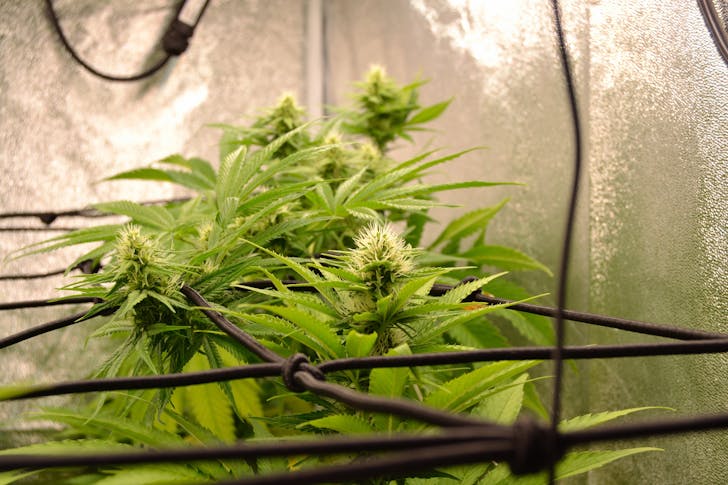
My Seeds / Pexels / Part of the answer lies in personal experience. People often feel relaxed after using it, and that immediate effect can be convincing.
Short-term relief can feel like real treatment. If anxiety drops for a few hours, it is easy to assume the product is working in a deeper way. But temporary calm does not always translate into long-term improvement. That difference is where many assumptions fall apart.
Marketing also plays a role. The cannabis industry has grown fast, and mental wellness has become a major selling point. Products are often framed as natural and safe, which can make them feel more trustworthy than traditional medications.
Plus, there is also a lack of clear public guidance. Many people try cannabis on their own, without medical advice. Without strong evidence or clear rules, personal stories fill the gap. Some of those stories are positive, but they do not replace controlled research.
The Risks are Getting Harder to Ignore
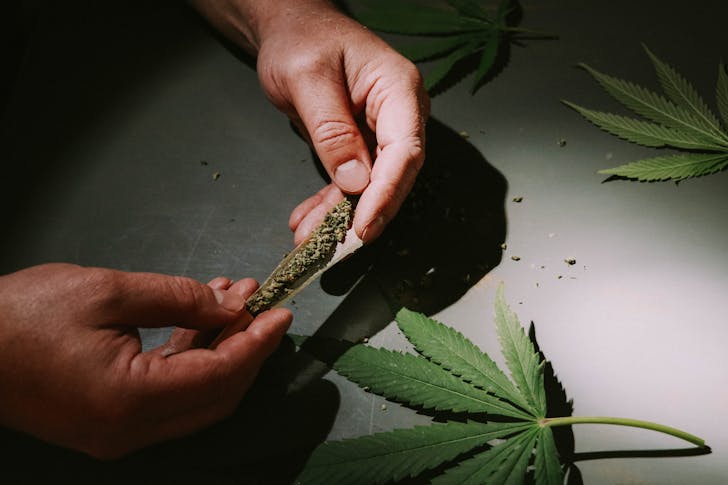
Elsa / Pexels / High-THC cannabis can be overwhelming, especially for developing brains. Adolescents and young adults are still going through key stages of brain development.
While the benefits remain uncertain, the risks are becoming clearer. A large Canadian study looked at data from 35,000 people over a ten-year period. As cannabis use increased, so did its link to mental health problems.
By 2022, people who used cannabis at least twice a week were five times more likely to experience depression or anxiety compared to non-users. That is a sharp jump, and it points to a strong association that cannot be brushed aside.
The same study found that rates of major depression and generalized anxiety disorder nearly doubled over the decade. While many factors could be involved, the growing role of cannabis stands out as a concern that deserves attention.